
Attractions & Museums · Things to Do
Sloss Furnaces National Historic Landmark
About
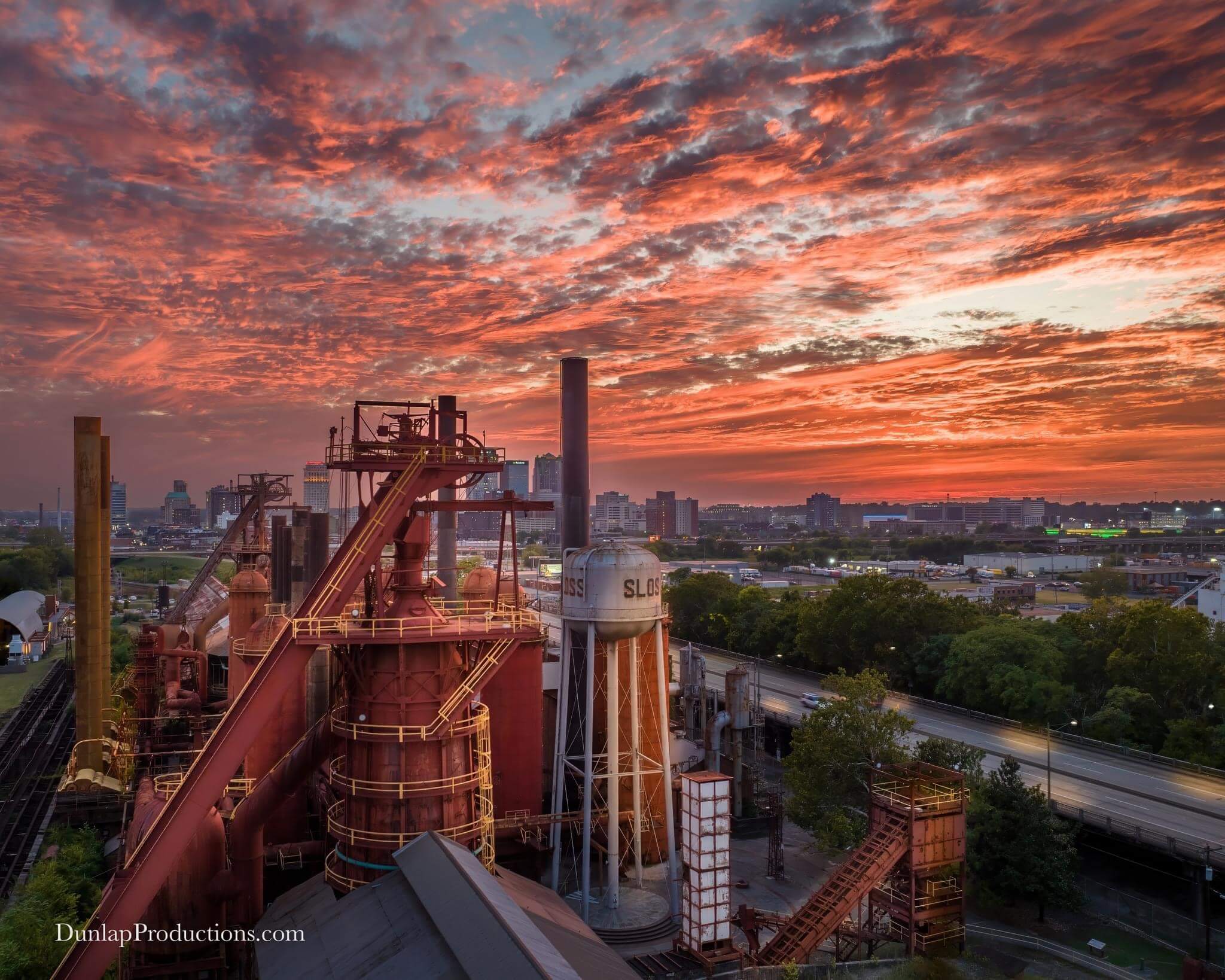
Birmingham, Alabama grew up around iron, and nowhere in the city tells that story more directly than Sloss Furnaces National Historic Landmark. Standing just northeast of downtown, the towering blast furnaces, boiler house, and network of pipes and stacks look almost exactly as they did when the plant went quiet for the last time in 1971, and walking the grounds today is as close as most visitors will get to standing inside a working nineteenth century ironworks.
The furnaces were built in 1881 by Colonel James Withers Sloss, one of the founders of the industrial city that would come to be nicknamed the Magic City for how quickly it rose out of the Alabama red clay. At its peak, the plant was turning out roughly 900 tons of pig iron a day, at one point ranking among the largest pig iron producers in the world. Generations of Birmingham families kept the furnaces running around the clock for nearly ninety years before the site finally closed in 1971. A decade later, in 1981, Sloss was designated a National Historic Landmark, one of the very few former industrial sites in the country preserved in place rather than demolished or converted.
Visitors can explore Sloss on a self guided tour at no charge, wandering among the rust red furnaces, the towering stacks, and the maze of catwalks and pipework that once carried molten iron through the plant. For those who want more context, staff lead guided tours on Tuesday through Saturday at 10:30 a.m. and 2:00 p.m. for a small fee, pointing out the mechanics of the smelting process and sharing stories about the people who worked there. The site does not shy away from the harder parts of that history either, including the dangerous conditions early laborers faced and the role industrial Birmingham played in the region’s civil rights history.
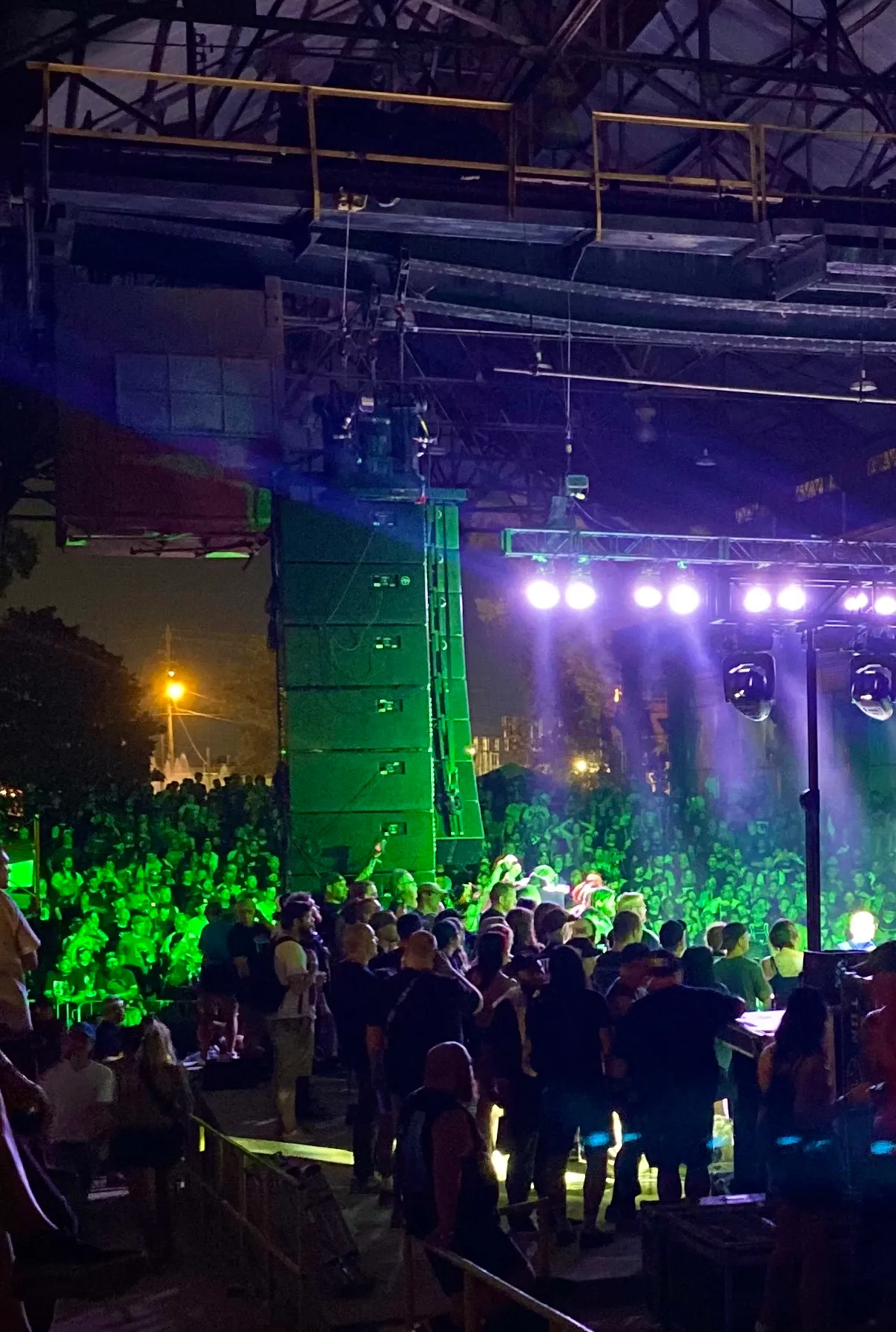
Beyond the tours, Sloss Furnaces functions as a working arts and events venue. The nonprofit runs a well regarded metal arts program, teaching iron casting and metal fabrication classes to students and hobbyists in a foundry built for exactly that purpose. The rugged, industrial backdrop also makes the site a popular spot for concerts and festivals throughout the year, along with weddings and corporate events held among the furnaces after dark, when the structures are often lit for dramatic effect.
School groups make up a steady share of Sloss’s traffic too. Educational programs walk students through the science of iron production and the labor history of the site, giving Birmingham kids a hands on look at the industry that built their city. For visiting families, the combination of free general admission, wide open outdoor space, and genuinely dramatic architecture makes it an easy stop even for people who do not consider themselves history buffs.

Practically speaking, Sloss Furnaces is open Tuesday through Saturday from 10:00 a.m. to 4:00 p.m. and Sunday from noon to 4:00 p.m., with the site closed on Mondays. It sits at 20 32nd Street North, a short drive from downtown Birmingham. Because most of the tour takes place outdoors on uneven, industrial terrain, comfortable shoes are worth wearing, and the site can get warm in direct summer sun with limited shade in some sections. Guided tour times can shift around special events, so calling ahead before a visit built around a specific tour slot is a good idea.
Whether the draw is architecture, labor history, or simply an unusual backdrop for photos, Sloss Furnaces remains one of the clearest windows into how Birmingham became Birmingham, preserved by a nonprofit dedicated to keeping that story standing. Parking is available on site, and the grounds are large enough that a visit can run anywhere from thirty minutes to a couple of hours depending on how much of the guided programming a visitor wants to take in. For anyone building a day around Birmingham’s industrial past, Sloss pairs naturally with a stop at Vulcan Park and Museum on Red Mountain, since the two sites together tell much of the story of how iron and steel shaped the city’s growth from a small railroad crossing into a major Southern industrial center.