
Food & Drink · Restaurants · Seafood
The Fish Market
About
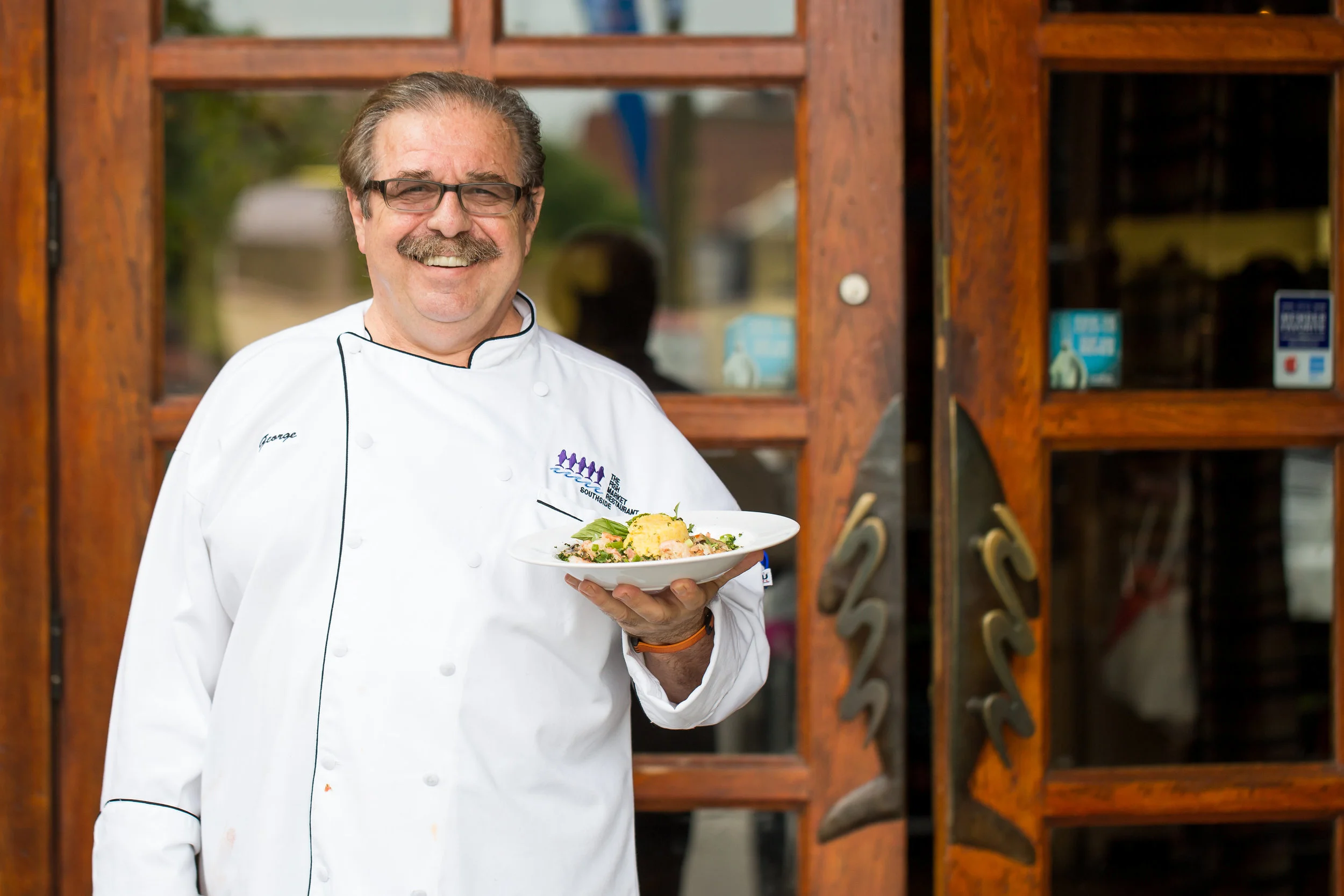
On a stretch of 22nd Street South near downtown Birmingham, The Fish Market has been feeding the city Gulf seafood with a Greek accent for more than four decades. Owner George Sarris left the village of Tsitalia, Greece for Birmingham in 1969, arriving with his mother and sister and going to work in restaurants owned by relatives, including the famous cafeteria Niki’s West. By 1983 he had taken over a seafood market that belonged to his uncle and turned it into a full sit-down restaurant, a business he still runs today with his adult children, Dorothy and Dino, working alongside him.
The kitchen’s identity comes from that mix of cultures. As Sarris has put it, the food is southern, but he Greeks it up, meaning familiar Gulf staples like grouper, snapper, shrimp, and oysters arrive dressed in olive oil, oregano, and feta rather than relying on breading alone. The raw bar sends out Gulf oysters by the half dozen or dozen, and the kitchen bakes them Dino style, a recipe credited to Sarris’s son, topped with garlic, roasted red pepper, parmesan, and herbed panko breadcrumbs. A rich seafood gumbo, built from a slow roux with okra, onions, and tomatoes, is made fresh every day.
The heart of the menu is the Athenian style preparation, in which snapper or grouper is topped with grilled onions, marinated Greek olives, chopped tomato, and creamy feta and served over rice. Shrimp and grits take a coastal turn too, sauteed with bacon, mushrooms, and tomato in a white wine cream sauce over stone ground cheese grits. A West Indies salad of lump Gulf crabmeat and minced onion marinated in apple cider vinegar is a lighter, cold option that regulars order by the pint to take home. Nearly every entree comes with a choice of two sides and a basket of hushpuppies, and the sides list runs long: collard greens, fried okra, black eyed peas, Greek potatoes, and orzo pasta served hot or cold among them.
The dining room itself has grown well beyond its market roots into a large, bustling space that seats hundreds, a scale that reflects how central the restaurant has become to Birmingham’s dining scene and to the city’s sizable Greek immigrant community, many of whose families, like the Sarrises, trace back to a handful of villages near Sparta. Beyond the restaurant, Sarris has built out a Greek import business supplying olive oil and other products from his home region, along with Yellow Bicycle Catering, which handles weddings, corporate events, and receptions with off-site delivery.
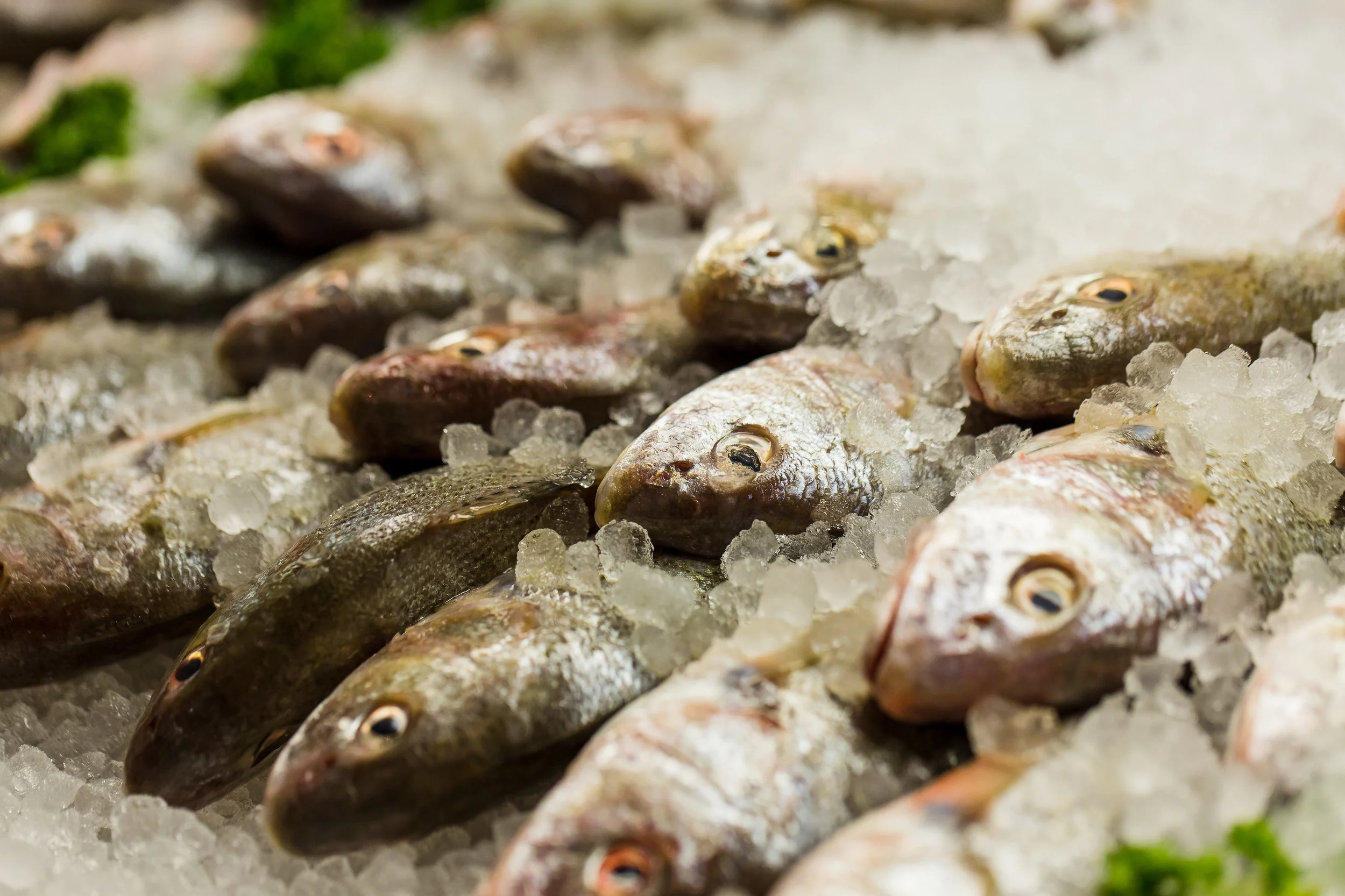
Visitors should plan around the posted hours: the dining room serves lunch and dinner Monday through Thursday and stays open an extra half hour on Friday and Saturday nights, while the restaurant is closed on Sunday. The attached seafood market keeps its own separate hours for anyone who wants to take fresh Gulf fish home to cook. Reservations can be made directly through the restaurant’s website, and takeout containers of gumbo, chowder, jambalaya, and West Indies salad are sold by the pint, quart, or gallon for anyone planning a party.
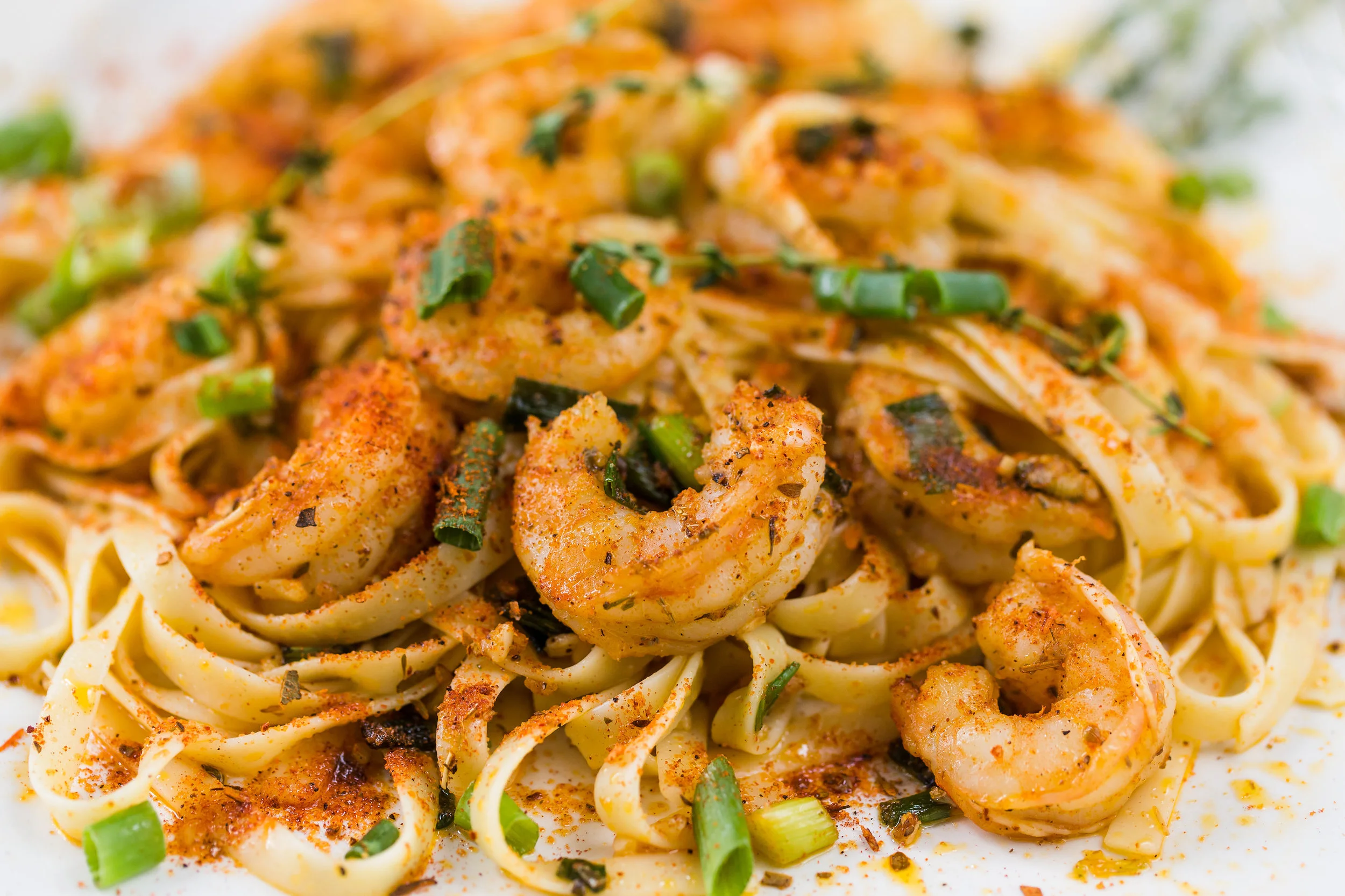
Beyond the raw bar and the Athenian specialties, the fried seafood platters give visitors a good sense of the kitchen’s range. The Fish Market platter combines fried or grilled tilapia, shrimp, scallops, and oysters on a single plate, with substitutions available for red snapper, whole snapper, grouper, salmon, or tuna at an added cost. A long list of po’ boys, from tilapia and catfish to oyster and shrimp, comes standard with fries and slaw, and a kids menu keeps fried or grilled tilapia, catfish, shrimp, and chicken fingers on hand for younger visitors. The soup list alone runs from a New England-style clam chowder to a Cajun-leaning cioppino loaded with shrimp, mussels, squid, and grouper in a tomato base, giving the kitchen room to move well beyond its Greek core without losing focus.
For visitors mapping out a seafood-focused night in Birmingham, The Fish Market offers something distinct from the city’s other coastal-leaning kitchens: a menu that treats the Gulf like an extension of the Mediterranean, built by a family that has been doing it the same honest way since the early 1980s.