
Burgers & Casual · Food & Drink · Restaurants
Gus’s Hot Dogs
About
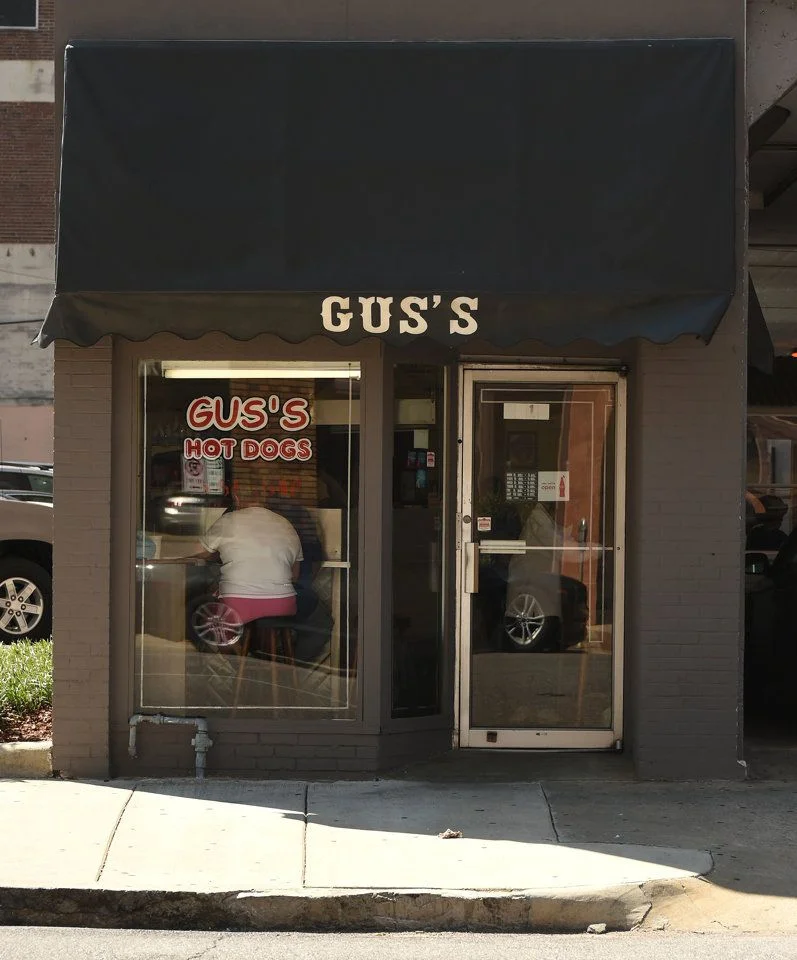
Gus’s Hot Dogs has served downtown Birmingham since 1947, when Greek immigrant Gus Alexander opened the stand at 1915 4th Avenue North. Nearly eight decades later, the small counter-service spot is still slinging hot dogs and burgers from the same address, making it one of the longest continuously operating restaurants in downtown Birmingham and, by its own description, the city’s longest-surviving Greek-owned hot dog stand.
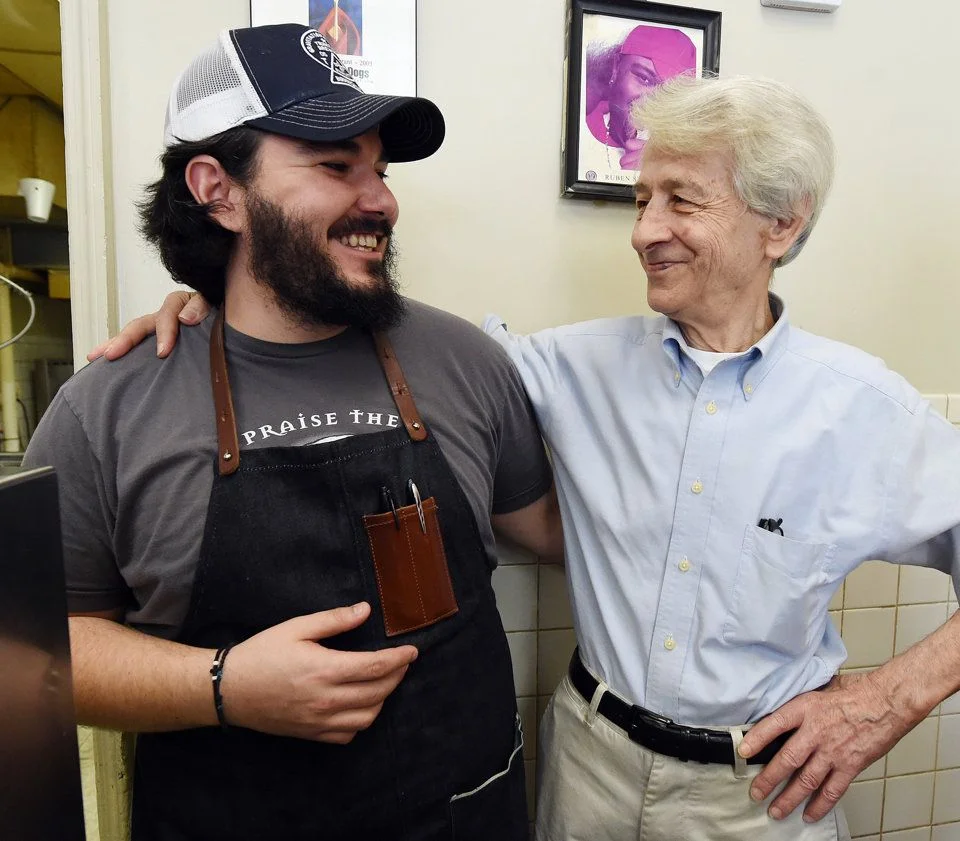
Ownership has passed through a small handful of hands over the decades. Alexander sold the business to Aleck Choraitis in the late 1960s, and George Nasiakos purchased it in 1995. In 2017, Lee Pantazis took over, buying the stand specifically to preserve its history rather than to rebrand or modernize it. Pantazis, who was 38 at the time of a recent interview, summed up his approach simply: “At Gus’s, we are not making a hot dog, we are making your hot dog,” a philosophy that has kept the menu and format essentially unchanged since Pantazis took ownership.
The menu has stayed close to its roots: a basic hot dog for two dollars, with chili, slaw, relish, and cheese versions each running slightly more, alongside a “special dog” topped with the stand’s own combination. Burgers round out the lunch menu with a hamburger, cheeseburger, and double versions of both, along with a hot beef sandwich, chili burger, ham sandwich, and Polish sausage. Prices across the board stay well under most Birmingham restaurants, reflecting the stand’s identity as a quick, affordable lunch counter rather than a sit-down restaurant.
Gus’s also runs a breakfast menu built around egg sandwiches, with bologna, sausage, bacon, and ham options each available plain or with cheese, alongside simple toast and a basic egg and cheese sandwich. That breakfast service, combined with the lunch menu, keeps the stand busy through the morning and midday hours downtown, drawing a mix of longtime regulars and newer downtown workers and residents discovering the spot for the first time.
Beyond the food itself, Gus’s has become something of a downtown institution simply by outlasting most of the restaurants that opened around it. The city of Birmingham has featured the stand in its own local business storytelling, framing it as a symbol of downtown’s working-class dining history at a time when much of the surrounding blocks have been redeveloped with newer restaurants and residential buildings.
Pantazis has stayed active in Birmingham’s broader restaurant scene since taking over Gus’s, including opening a separate late-night concept in Avondale in 2026, but Gus’s itself remains unchanged in format: a walk-up counter, a short menu, and prices that have stayed remarkably low given the stand’s downtown location. The restaurant sits at 1915 4th Avenue North, within easy walking distance of Birmingham’s civic center and several other downtown attractions.
For a quick, inexpensive lunch with nearly 80 years of downtown Birmingham history behind it, Gus’s Hot Dogs remains one of the simplest and most enduring dining options in the city’s core, a reminder that Birmingham’s restaurant scene isn’t only built on newer, more ambitious concepts.
The stand’s survival through nearly 80 years of downtown Birmingham’s changing fortunes says as much about the city’s history as it does about the hot dog stand itself. Downtown Birmingham has cycled through periods of decline and reinvestment since Gus Alexander first opened the stand in 1947, and Gus’s has remained open through nearly all of it, a rare thread of continuity in a part of the city that has otherwise changed dramatically.
Pantazis’s decision to keep the menu and format essentially unchanged since taking ownership in 2017 reflects a broader respect for what makes Gus’s work in the first place: a simple, fast, inexpensive menu served from the same address for generations. Rather than modernizing the format or expanding into new locations, Pantazis has focused on preserving what already worked, a strategy that has kept Gus’s a genuine downtown institution rather than a nostalgia act trading only on its history.
