
Food & Drink · Restaurants · Seafood
Bayonet
About
Downtown Birmingham has a raw bar built into a century-old freight building, and it goes by the name Bayonet. The restaurant occupies a ground-floor space in the Berry Building on 2nd Avenue North, a stretch of the city center that has filled back in with restaurants, offices, and residential lofts over the past decade. Bayonet opened as a seafood-focused kitchen and oyster bar, and it has quickly become a fixture of that stretch of downtown.
Chefs Rob and Emily McDaniel own and run Bayonet together. The couple built the concept around whole-fish butchery, a rotating oyster list, and coastal-inspired plates that change with the season. The name nods to the Spanish bayonet, a coastal plant found along the Gulf, a fitting reference for a menu built on seafood pulled from Southern waters. It is one of two downtown Birmingham restaurants the couple runs, and the pairing has helped anchor a stretch of 2nd Avenue North as a small dining corridor of its own.
Before opening Bayonet, Rob McDaniel built a reputation cooking Southern food with a strong sense of place, and that same regional focus carries over into the seafood menu here. Rather than treating the Gulf as one supplier among many, the kitchen leans on it as the organizing idea behind the entire restaurant, from the oyster selection to the way whole fish is butchered and served.
The menu at Bayonet moves between a raw bar heavy on East Coast and Gulf oysters and a kitchen menu built around whole fish. Regulars point to the wahoo steak and the roasted red snapper as reliable choices, alongside a swordfish bacon sando and a version of a reuben sandwich that swaps in seafood for the usual corned beef. The Raw Situation, a shellfish tower for the table, anchors the raw bar section. Sides run toward hand-cut fries and vegetable dishes built from produce sourced close to home, including field pea and rice salad and a watermelon and cucumber salad that lean into the same Southern-coastal mix that defines the rest of the menu.
Bayonet keeps a happy hour every day from 3 to 5 p.m., with discounted oysters, snacks like shrimp toast and fish dip, and a shorter cocktail list at lower prices. Dinner service runs seven days a week except Sunday, when the restaurant closes. Complimentary valet parking is available for dinner guests starting at 4:30 p.m., a detail that matters on a block where street parking downtown can be tight in the evening. The bar program leans into classic cocktail formats built around domestic and imported spirits, along with a wine list chosen to hold up against oysters and grilled fish alike.
Bayonet has drawn national attention since it opened. The restaurant earned a Michelin Bib Gourmand designation in 2025, and it was named to The New York Times’ list of 50 best restaurants in America the same year. That kind of recognition tends to fill a dining room fast, and Bayonet takes reservations through Resy, with walk-ins accepted as space allows at the bar and raw bar counter. For a restaurant barely a few years old, that level of national coverage has put it squarely among the most closely watched openings in Birmingham’s recent dining history.
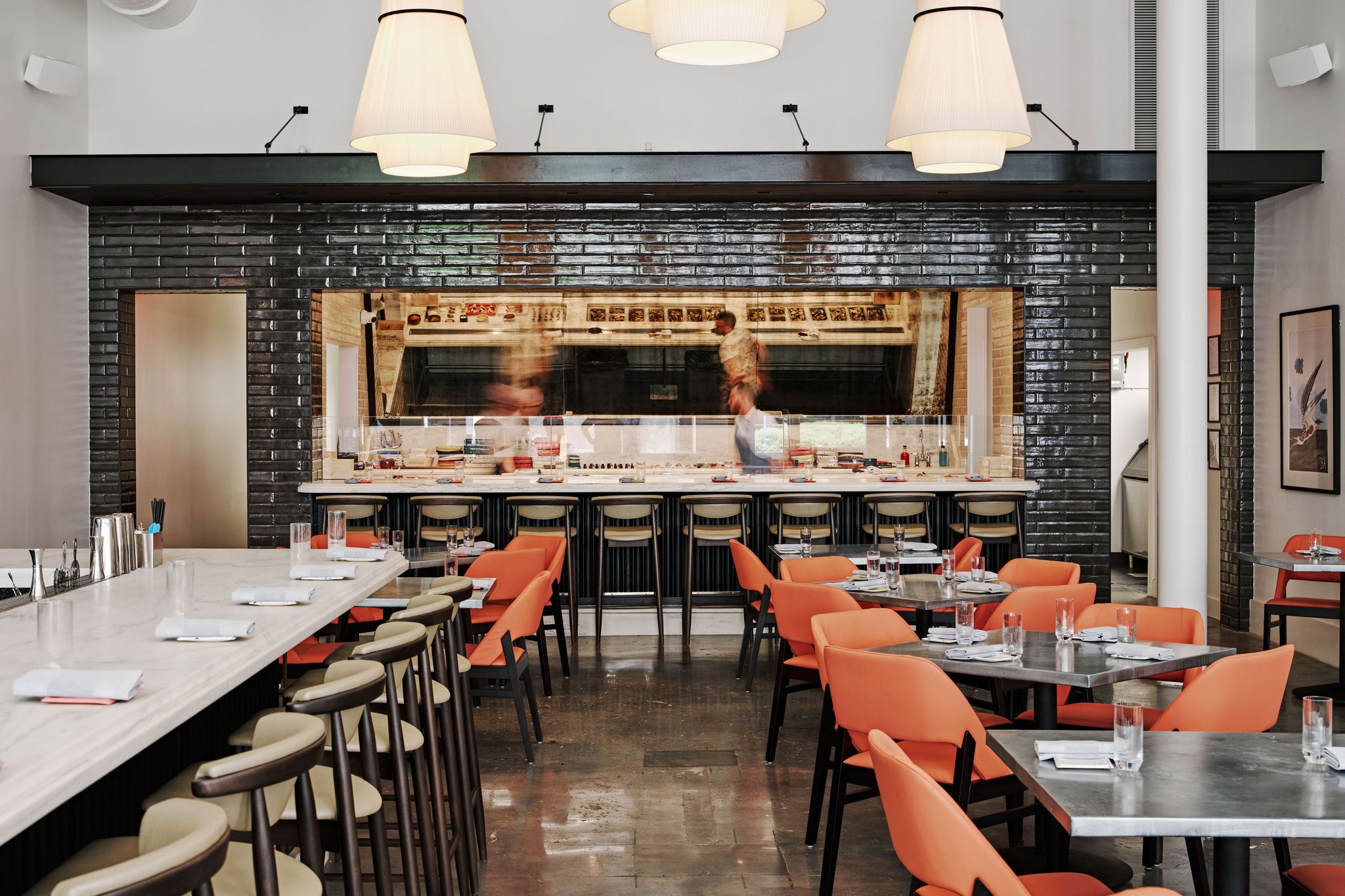
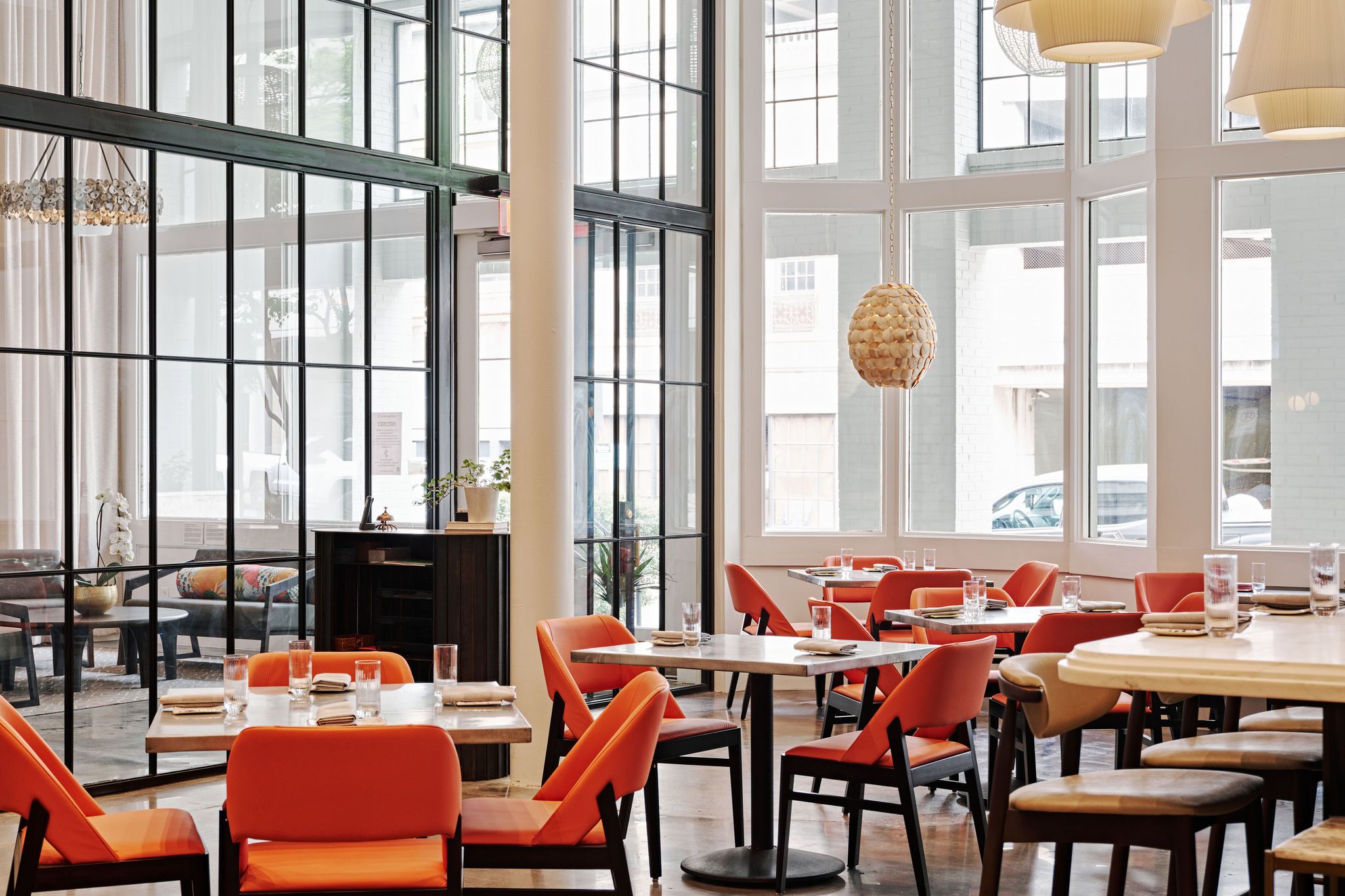
The dining room itself makes a case for lingering. Exposed brick, tall windows, and a long marble-topped raw bar give the space an easy, unfussy feel that suits both a quick oyster stop after work and a slower dinner. The restaurant sits next door to Helen, another downtown restaurant from the same ownership team, and the two share a block that has become something of a small dining destination within walking distance of Birmingham’s Rotary Trail and the Parkside District. Visitors splitting a night between the two restaurants, one for oysters and one for a coal-fired Southern dinner, can do so without moving the car.
For visitors trying to plan a Birmingham seafood dinner around a single stop, Bayonet is a reasonable place to start. The restaurant is independently owned, sources heavily from the Gulf, and keeps its focus narrow: oysters, whole fish, and a handful of well-built sandwiches and sides, served in a downtown room built for it. Between the food, the accolades, and the setting inside a restored piece of Birmingham’s industrial past, it has earned its place as one of downtown’s defining newer restaurants.
Menu highlights
Good to know
On Instagram
Follow @bayonetbham


