
Attractions & Museums · Things to Do
Bragg-Mitchell Mansion
About
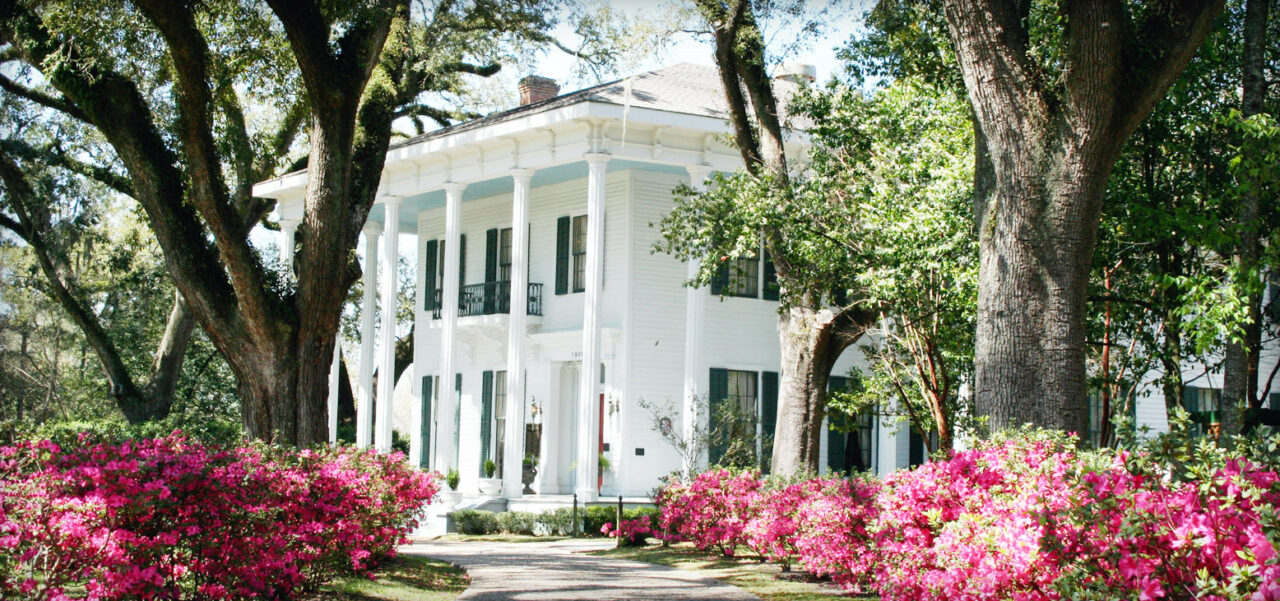
On Springhill Avenue just west of downtown Mobile, the Bragg-Mitchell Mansion has stood since 1855 as one of the city’s most complete examples of Greek Revival architecture. Built for a prominent Mobile family, the house is fronted by a row of towering, century-old live oaks that frame the mansion’s columned facade and set the tone before visitors even reach the front door.
Inside, the mansion’s double parlors and circular staircase reflect a scale of hospitality that was central to antebellum social life in the Gulf South. Guided tours move through rooms furnished with period pieces, giving visitors a sense of how a wealthy Mobile household entertained, worked, and lived in the decades before the Civil War. Docents walk through the architectural details that made the house notable in its day, from the ironwork to the proportions of the double parlors, which were designed for large gatherings rather than everyday family life.
Tours run Tuesday through Friday on the hour, with the last tour of the day starting at 3 p.m., and the mansion is closed Saturday through Monday to accommodate private events. That closure schedule points to the mansion’s dual identity: it functions as both a historic house museum and a working event venue, regularly hosting weddings and gatherings on its grounds. The combination means the property stays active and well maintained rather than existing purely as a static exhibit, though it’s worth calling ahead before a visit in case a private event has closed the house to the public that day.
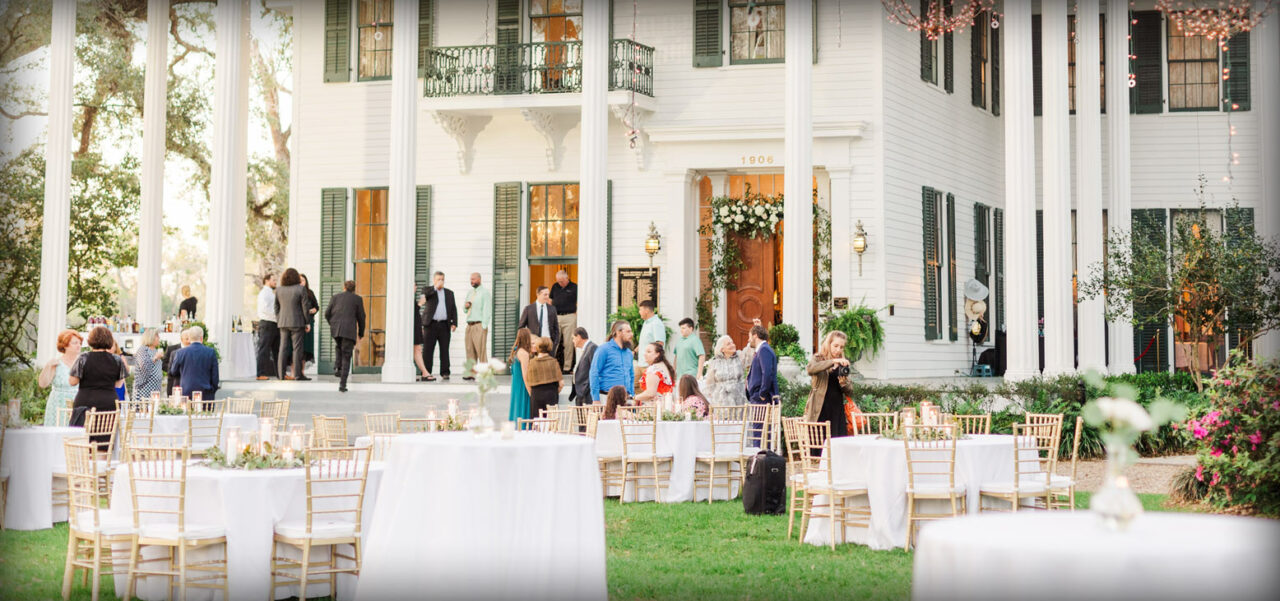
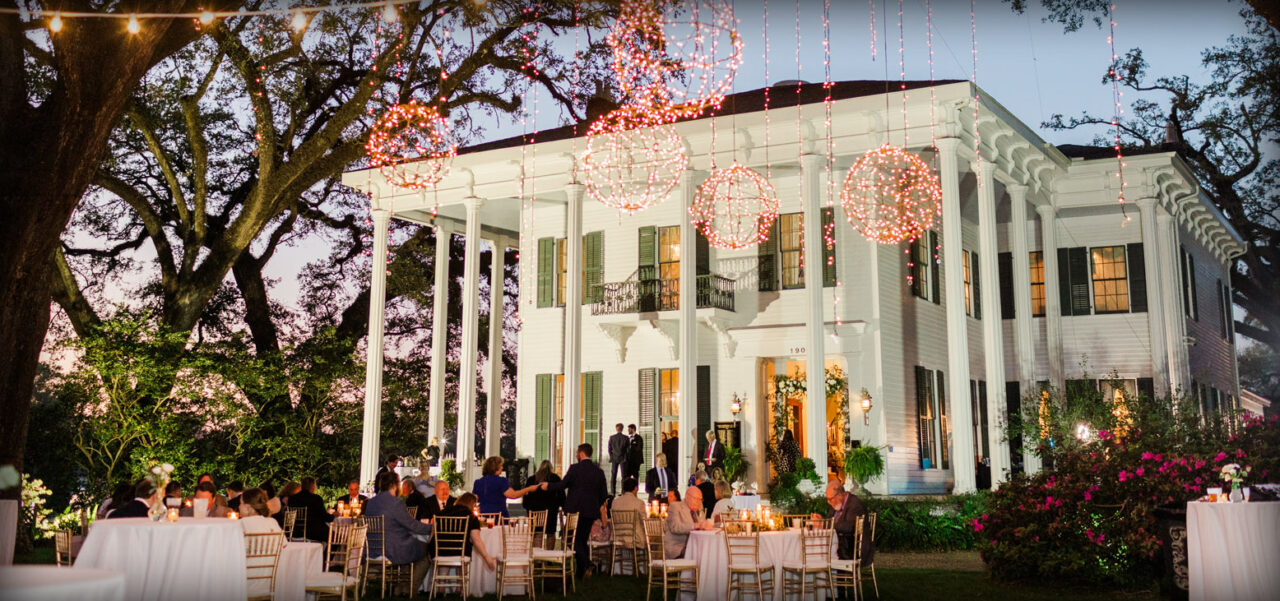
The grounds themselves are part of the draw. In spring, the property’s azaleas bloom in full alongside the oaks, a seasonal display that draws its own visitors independent of the house tour. At night, the mansion is often lit for events, giving the columned facade a different character after dark than it has during a daytime tour. Seasonal markets and community events are also held on the grounds periodically throughout the year, adding another reason for locals to return beyond the standard house tour.
For visitors piecing together a day of Mobile’s historic homes, Bragg-Mitchell pairs naturally with stops at Oakleigh House and the Condé-Charlotte Museum House, each offering a different slice of the city’s residential history. Because the mansion sits a short drive from downtown rather than directly within it, it makes a good midpoint stop for anyone exploring Springhill Avenue’s tree-lined stretch, one of Mobile’s older and more architecturally distinctive corridors.
The mansion’s Greek Revival design places it firmly within a style of architecture that spread across the antebellum South in the decades before the Civil War, and docents on the guided tour typically explain how the house’s proportions, columns, and symmetry reflect broader design trends of the period rather than a one-off local invention. That context helps visitors place the mansion within a larger architectural story that extends well beyond Mobile, even as the specific details of the Bragg and Mitchell families’ time in the house remain the focus of the tour itself.
Because the mansion continues to operate as an active event space, its upkeep tends to be more consistent than that of some historic properties that rely solely on ticket revenue. Wedding parties and event guests who see the mansion at night, lit for a reception, often get a different impression of the property than daytime tour visitors, and the seasonal markets held on the grounds give locals a low-pressure way to visit the property without committing to a full guided tour.
The stretch of Springhill Avenue where the mansion sits has long been one of Mobile’s more prominent residential corridors, and the mansion’s oaks are part of a broader canopy that lines much of the street. Visitors touring the mansion often notice that same architectural language, tall columns, deep porches, symmetrical facades, repeated in smaller form throughout the surrounding neighborhood, giving a sense of how the mansion’s original owners fit into the wider social fabric of nineteenth-century Mobile rather than standing entirely apart from it.
Good to know
On Instagram
Follow @braggmitchellmansion


