
Things to Do · Tours & Experiences
Bienville Bites Food Tour
About
Downtown Mobile, Alabama has a dense concentration of locally owned restaurants packed into a walkable historic core, and Bienville Bites Food Tour was built specifically to move visitors through that landscape one bite at a time. Billed as Mobile’s original food tour, the company pairs guided walks through the historic district with tastings at more than 40 locally owned restaurants it has partnered with over the years.
The flagship Downtown Mobile Food Tour runs about three hours and combines Gulf Coast food with local history, working in more than 300 years of downtown Mobile’s past between stops. Rather than treating the food and the history as separate tracks, guides weave them together, explaining how specific dishes, restaurants, or buildings connect to the city’s long run as a Gulf port shaped by French, Spanish, British, and American rule. The tour is open to all ages, making it a reasonable option for families traveling with kids old enough to walk a few hours downtown.

For guests looking for something a little different, the company also runs an Old Mobile Evening Food Tour geared toward adults, which adds cocktails to the food tastings and works in stops like a rooftop view over downtown and a hidden speakeasy vault. A third offering, called Maids for Mobile, blends the city’s food and history with a lighter, interview-style format aimed at slightly older kids and teens, giving the company a spread of tours suited to different group compositions rather than a single one-size-fits-all itinerary.
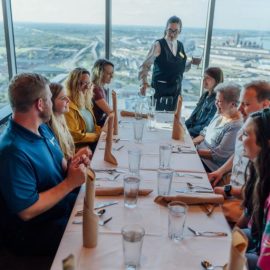
Because the company works with dozens of independently owned restaurants across downtown, the tours effectively function as a curated introduction to Mobile’s local dining scene, one that would take a visitor considerably longer to piece together on their own. Guides are locals, which shows up in the specificity of the history worked into each stop rather than a generic recitation of dates and facts.
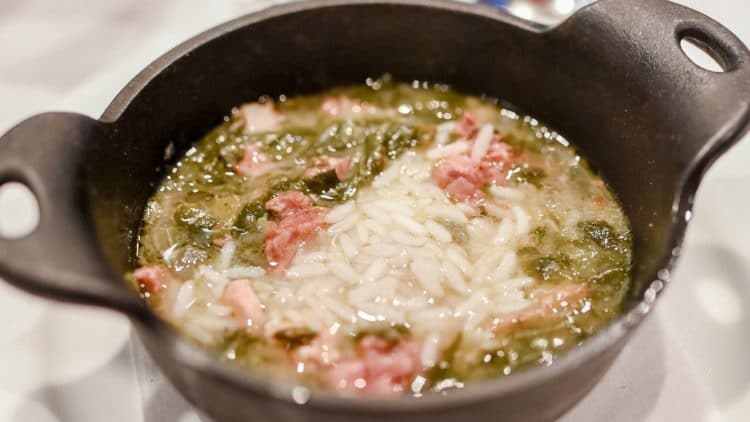
Tours start at $75 per person, and given that price includes multiple tastings across the walk, the cost tends to work out reasonably against ordering a meal or two at any single downtown restaurant. Reservations are recommended, particularly for the evening cocktail tour, since group sizes are kept manageable to allow for restaurant seating and easy conversation between guide and guests along the route.
Because the guides are drawn from the local community, the tours tend to pick up small, specific details about downtown Mobile that a visitor wouldn’t necessarily find in a guidebook, from why a particular building’s facade looks the way it does to which restaurant has been run by the same family for multiple generations. That local knowledge is really the product being sold here as much as the food itself: a curated, guided introduction to how Mobile eats and how the city got to be the way it is, delivered by people who live there and know the restaurants personally rather than a script written for a generic city tour.
For visitors trying to decide how to spend a limited amount of time in Mobile, a food tour offers an efficient way to sample multiple restaurants that might otherwise require several separate visits and reservations to experience individually. It also removes the guesswork of picking where to eat in an unfamiliar city, letting a local guide make those decisions and handle the introductions at each stop along the route.
The company’s partnerships with individual restaurant owners also mean the tour supports the same small, locally owned dining scene it’s built around, rather than steering business toward larger chain restaurants that don’t need the exposure. For a downtown built almost entirely around independent restaurants and shops, that arrangement keeps the tour’s economic footprint aligned with the same values the guide is talking about throughout the walk.


