
Food & Drink · Restaurants · Seafood
The Boiling Pot
About
The Boiling Pot sits along Airport Boulevard in Mobile, a stretch of the city better known for chain retail than destination dining, which makes this small Cajun seafood kitchen an easy one to drive past without noticing. Inside, the focus is squarely on boiled and fried Gulf seafood served the way it is eaten across south Alabama and Louisiana: piled onto trays, eaten with hands, and washed down with sweet tea rather than wine.
The restaurant describes its own approach as pairing a passion for cooking with a working knowledge of Cajun and Creole technique, aiming for what the kitchen calls authentic, classic dishes built from fresh, locally sourced ingredients. That shows up most clearly in the gumbo, a slow-built roux base that regulars order as a starter before moving on to the boil, and in the seafood platters that mix fried shrimp, oysters, and fish onto a single tray for anyone who cannot commit to just one protein.
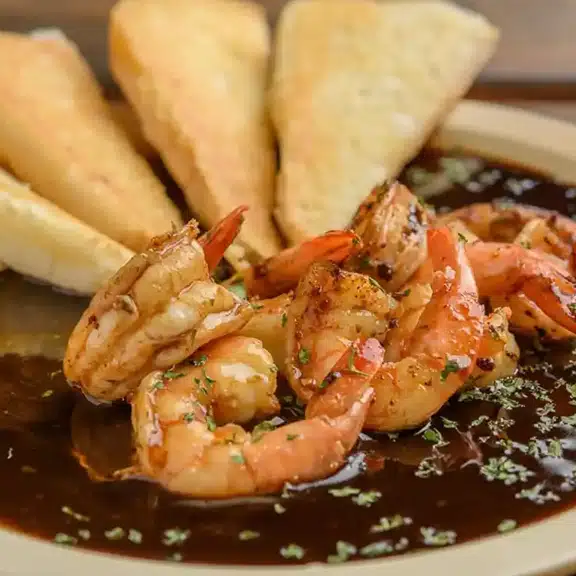
Snow crab legs and crawfish, sold in season, headline the boiled side of the menu, steamed in a seasoned broth and served the traditional way, dumped straight onto butcher paper or a tray rather than plated formally. Fried crab legs, a dish more specific to the Gulf Coast than most other American seafood traditions, show up on the menu as well, battered and fried whole rather than picked and breaded. For those who want something between a snack and a full meal, the kitchen also turns out a shrimp po’boy and a shrimp salad built for a lighter lunch.
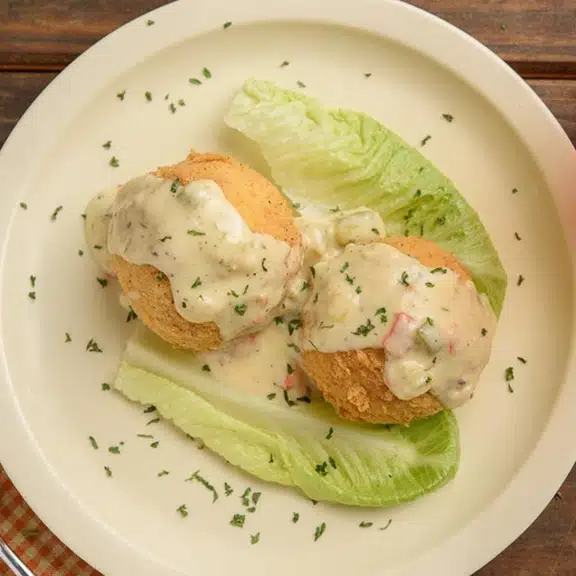
The restaurant runs primarily as a to-go and dine-in counter operation, with online ordering built directly into its own website rather than routed exclusively through third-party delivery apps, a detail that keeps more of each order’s value with the business itself. Hours run from late morning into the evening Monday through Saturday, with the restaurant closed on Sundays, a schedule that suits a lunch crowd from the surrounding office parks as much as it does a family picking up dinner on the way home.
Reviewers who stop in tend to mention the same things: portions that outsize the price, a gumbo worth ordering on its own, and a menu that does not try to be anything other than a straightforward Cajun seafood kitchen. That kind of consistency, more than décor or presentation, is what keeps a strip-mall seafood spot in steady rotation for people who live nearby and want a boil without driving to the water.
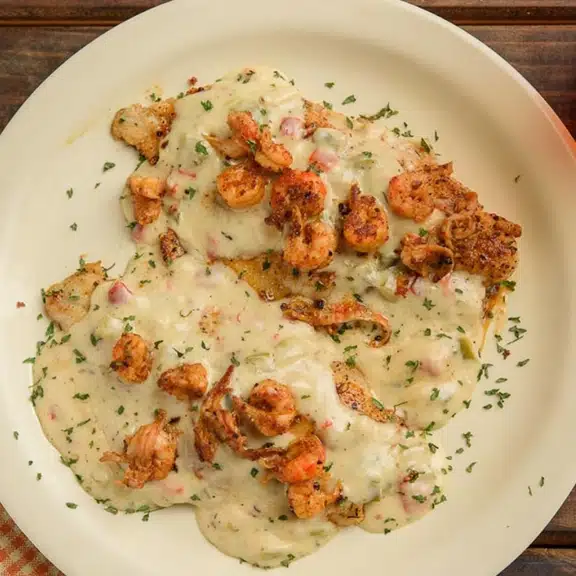
Airport Boulevard is one of Mobile’s busiest commercial corridors, lined mostly with national retail chains and fast food, which makes a genuinely independent Cajun seafood kitchen like The Boiling Pot stand out by contrast. The restaurant does not try to compete with its neighbors on volume or convenience alone; instead it leans on a specific culinary tradition, the boiled and fried seafood culture shared across the Gulf Coast from New Orleans through Mobile and into the Florida Panhandle, and executes it with a level of care that keeps drawing customers back past the chain restaurants surrounding it.
That regional identity matters in a city like Mobile, which sits at a genuine cultural crossroads between Louisiana Cajun and Creole cooking to the west and a more classically Southern coastal cuisine to the east. The Boiling Pot leans toward the Louisiana side of that line, favoring boiled crawfish and crab, a proper dark roux gumbo, and fried whole crab legs over the plainer broiled or blackened fish dishes found at some of the city’s more upscale seafood rooms. For a visitor trying to understand how those two coastal food traditions overlap in Mobile, a stop at The Boiling Pot offers a genuinely hands-on introduction, eaten the way it is meant to be eaten, off butcher paper with sleeves rolled up.
For a visitor exploring Mobile’s Airport Boulevard corridor, The Boiling Pot offers a genuine taste of the Cajun and Creole seafood tradition that runs through this part of the Gulf Coast, served in a setting built for eating, not lingering. It is the kind of place locals recommend by word of mouth rather than a spot that shows up on postcards, which is often the best sign a seafood kitchen is doing something right.