
Attractions & Museums · Things to Do
Rosa Parks Museum
About
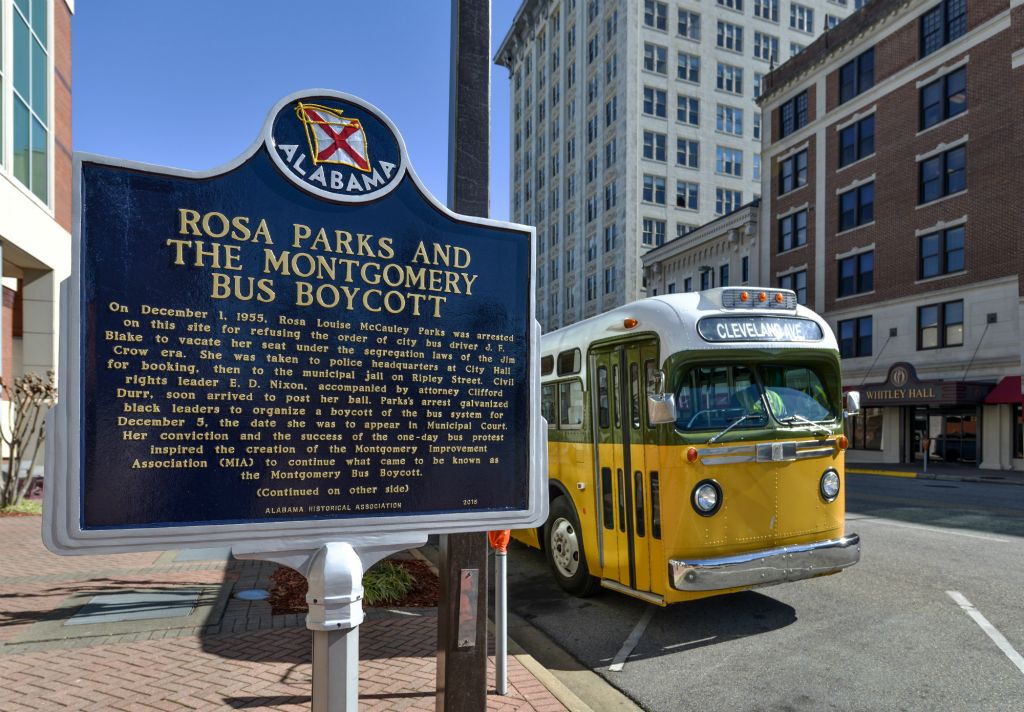
The Rosa Parks Museum sits on Montgomery Street in downtown Montgomery, at the exact corner where Rosa Parks was arrested on December 1, 1955, for refusing to give up her bus seat. Operated by Troy University, the museum opened on December 1, 2000, forty five years to the day after that arrest, and it was built specifically to mark the spot rather than simply commemorate the event from a distance. That kind of site specific placement is rare among civil rights museums, and it gives a visit here a different feel than a museum built somewhere unrelated to the events it describes.
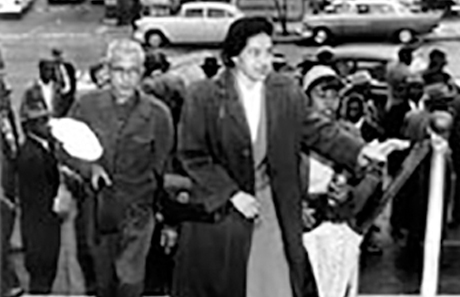
Inside, the museum walks visitors through the Montgomery Bus Boycott using a mix of oral histories, archival footage, and physical artifacts, including Parks’ actual arrest fingerprints and a 1955 Montgomery city bus similar to the one on which she was riding. A restored 1956 station wagon, used by boycott organizers to run the carpool system that kept Black Montgomery moving to work and school for 381 days without city buses, sits alongside exhibits explaining how ordinary residents organized and sustained the boycott despite arrests, threats, and economic pressure. The museum’s approach treats the boycott less as a single dramatic moment and more as a sustained community effort, which is closer to how it actually unfolded.
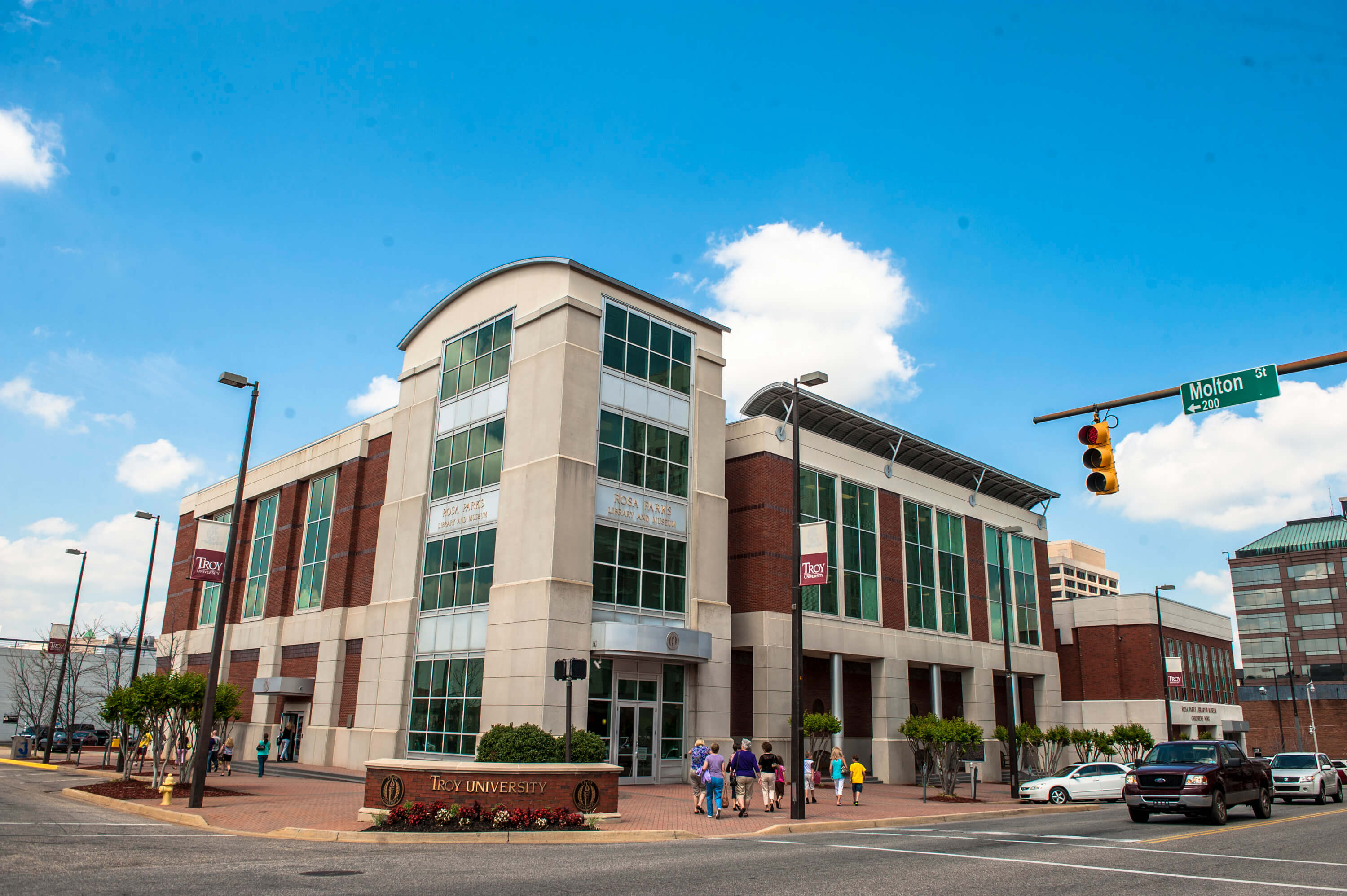
A separate Children’s Wing, located just down the block at 220 Montgomery Street, presents the same history through a time machine themed exhibit designed for younger visitors, making the museum workable for family groups with a range of ages. The museum is open Monday through Friday from 9 a.m. to 5 p.m., with a lunch closure from noon to 1 p.m., and Saturday from 9 a.m. to 3 p.m. It is closed on Sundays and around Thanksgiving, Christmas, and New Year’s.
Admission for adults thirteen and up is seven dollars fifty cents for one wing or fourteen dollars for both, while children five to twelve are five dollars fifty cents for one wing or ten dollars for both, and children four and under are admitted free. The museum offers a dollar off for educators and discounts for military members, seniors sixty two and older, and groups of twenty five or more, and tour reservations can be made by phone for school and bus groups.
Because it is located at the actual arrest site rather than a symbolic recreation, the museum works well as a walking companion to other downtown Montgomery civil rights landmarks, including the Dexter Avenue King Memorial Baptist Church a short distance away and the Legacy Museum further down Court Street. Troy University maintains the museum as an educational resource for its own students as well as the public, and the museum regularly hosts school groups, making weekday mornings the busiest time for visitors who prefer a quieter experience.
For visitors piecing together Montgomery’s civil rights history across a single day or weekend, the Rosa Parks Museum tends to work well early in an itinerary, since the boycott it documents set off the broader movement that later exhibits and monuments around the city continue to explore. Reservations for guided tours, group rates, and current program information are available by calling the museum directly or through Troy University’s website.
Because Troy University treats the museum as both a public attraction and a teaching resource, docents are trained to adjust their presentation depending on the audience, whether that means a fast paced overview for a school field trip on a tight schedule or a slower, more detailed walkthrough for adult visitors with time to ask questions. The museum’s staff also maintain connections to boycott participants and their descendants, and occasional special programming brings in speakers who lived through the events the exhibits describe, adding a layer of firsthand testimony that a static museum display alone cannot provide.
The gift shop near the entrance stocks books, documentaries, and educational material related to the boycott and the broader civil rights movement, useful for visitors who want to read further after a visit or for teachers building lesson plans around the museum’s exhibits. Parking near the museum is available on the street and in nearby downtown lots, and the compact downtown footprint means the museum, the Children’s Wing, and other nearby civil rights landmarks can all be covered on foot within a couple of hours.