
Attractions & Museums · Things to Do
George Washington Carver Interpretive Museum
About
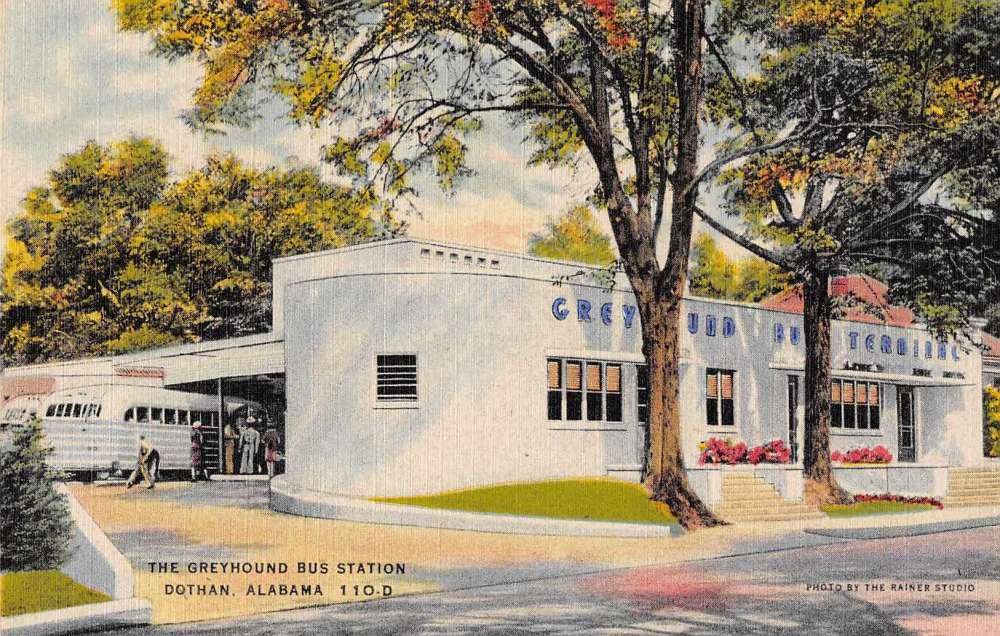
On North Foster Street in Dothan, inside a building that once served as the city’s bus station, the George Washington Carver Interpretive Museum keeps a distinct piece of local and national history alive. Founded in 2000 by Dr. Francina Williams, the museum is a small, independent, community-built institution rather than a branch of a larger state or federal system, and that grassroots origin still shapes the experience of visiting today. Its focus is twofold: the life and scientific legacy of George Washington Carver, whose agricultural research helped transform the peanut into a defining crop for this corner of Alabama, and the broader history of African American contributions to the Wiregrass region.
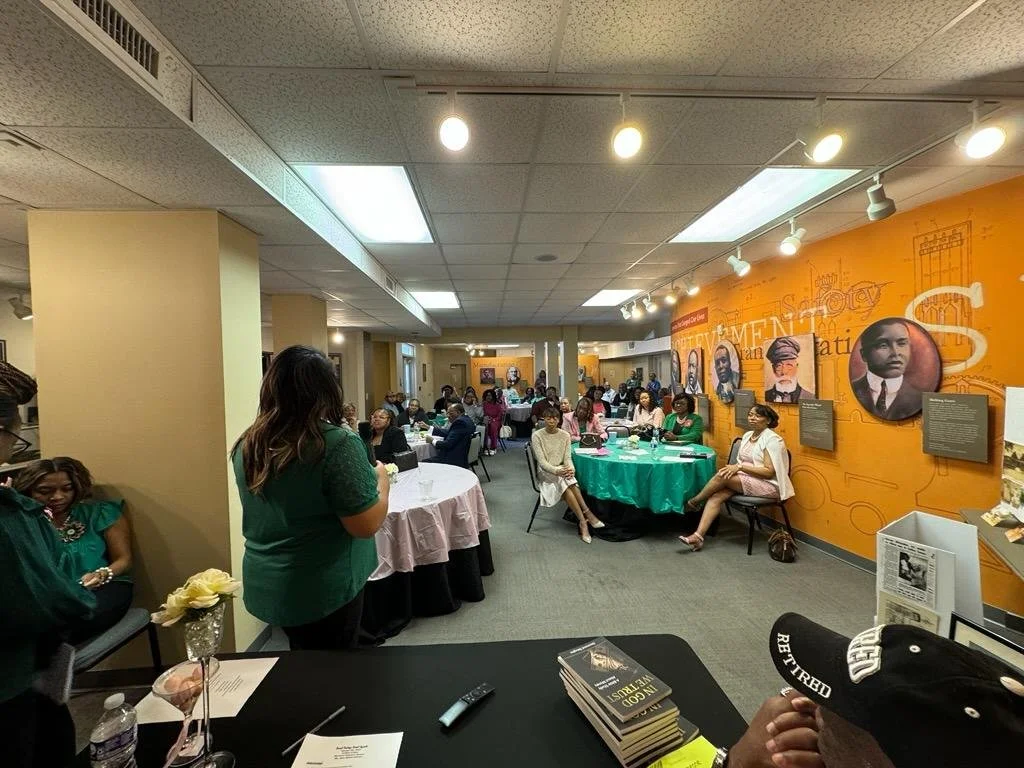
The choice of building is part of the story. Repurposing a former transportation hub into a museum gives the space a lived-in, layered quality that a purpose-built museum rarely has, and it ties the museum physically to the era of segregation and the Civil Rights Movement that much of its exhibit content addresses. Visitors move through galleries that combine photographs, artifacts, and interpretive text covering local Black history alongside displays dedicated specifically to Carver’s scientific work, including his experiments with peanuts, sweet potatoes, and soil conservation that had ripple effects across Southern agriculture well beyond Dothan.
Because Dothan calls itself the Peanut Capital of the World and hosts the National Peanut Festival every fall, the Carver museum functions as a kind of missing piece for visitors who want to understand why that identity exists in the first place. It is easy to see the peanut statues scattered around town and think of the crop only as a local mascot, but a stop at the museum fills in the actual agricultural and scientific history behind it, along with the human stories of the people who worked the land here for generations.

The museum keeps a modest, predictable schedule that rewards a little planning. It is open to walk-in visitors Wednesday through Saturday from 10:30 in the morning until 4 in the afternoon, with Tuesday reserved for appointment-only visits, typically for school groups or private tours arranged in advance. It is closed on Mondays and Sundays. Because the museum is small and largely volunteer-supported, calling ahead for a group visit, or booking through its online scheduling page, tends to result in a more thorough, personal tour than simply showing up during open hours, though drop-in visitors are welcome during posted hours as well.
For visitors piecing together a day of Dothan history and culture, the Carver museum pairs naturally with a stop at the Wiregrass Museum of Art a short drive away, or with a walk through the murals of downtown Dothan, several of which touch on the same agricultural and civil rights themes explored inside the museum’s galleries. It is a small museum by square footage, but the depth of its subject matter, and the fact that it exists because one Dothan resident decided this history needed a dedicated home, make it one of the more meaningful stops for anyone genuinely curious about the region rather than just passing through.
Because it operates independently rather than as part of a state museum system, admission policies and group rates are best confirmed directly with the museum before a visit, particularly for larger school or club groups hoping to schedule a guided walkthrough.
What sets a visit here apart from a typical history stop is the sense that the museum was built by hand, by people from Dothan, for Dothan, rather than assembled by an outside institution and dropped into the city. The rooms are intimate, the stories are specific to this stretch of the Wiregrass, and the connections between Carver’s agricultural science and the everyday lives of local families come through clearly in the way the exhibits are arranged. Visitors who take the time to read the wall text and ask questions of museum staff tend to leave with a far richer sense of Dothan’s past than a quick drive past the peanut statues downtown could ever provide on its own.


