
Arts & Entertainment · Things to Do
East Alabama Arts (Opelika Center for the Performing Arts)
About
The Opelika Center for the Performing Arts, on Glenn Street in Opelika, is operated by East Alabama Arts, the nonprofit formally known as the Arts Association of East Alabama, which has spent decades bringing touring and homegrown performances to Lee County. The organization’s mission centers on supporting the region’s creative culture by hosting national and international touring talent, elevating local and regional artists, and partnering directly with area schools, work that plays out across the Opelika Center for the Performing Arts and a second venue, the Southside Center for the Arts.

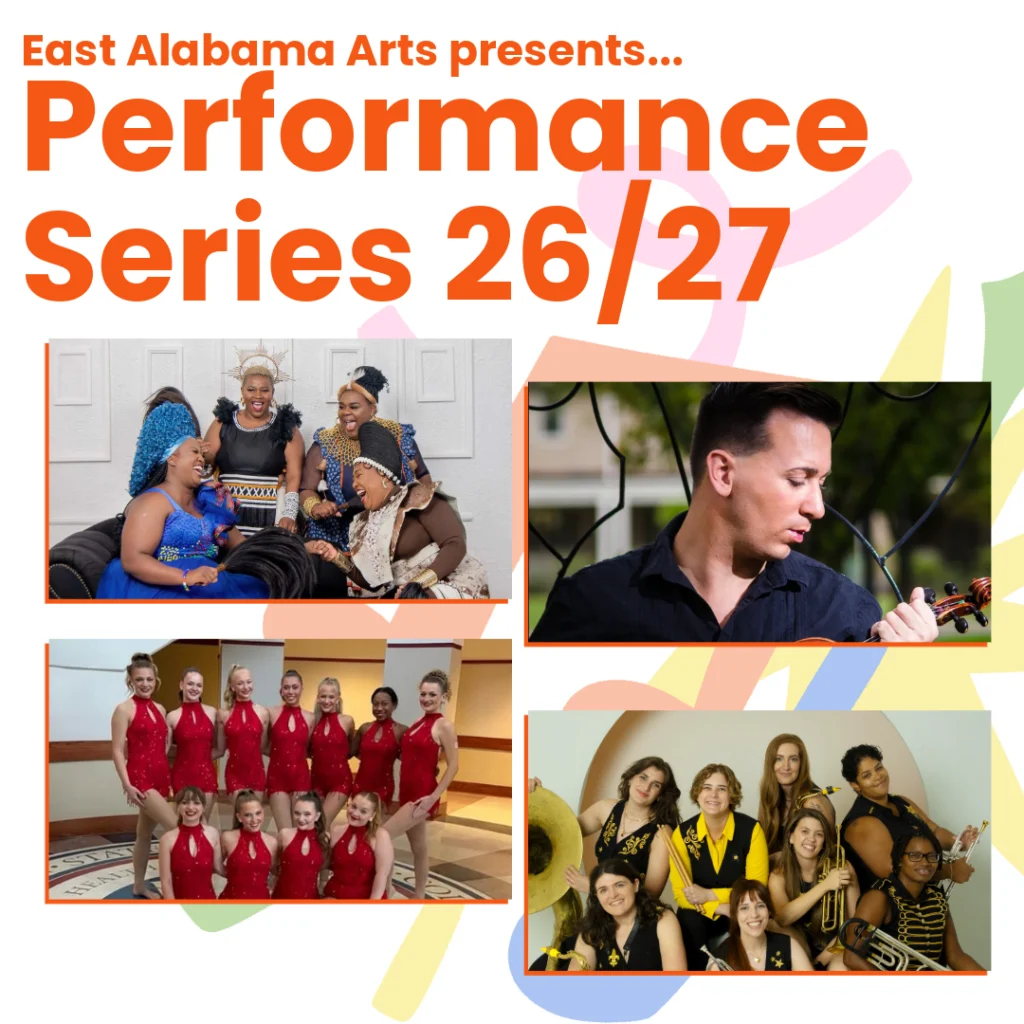
As a nonprofit rather than a city-run auditorium, East Alabama Arts builds its own performance calendar independent of municipal programming, curating a season that mixes touring acts with regional and homegrown talent. The organization’s annual Performance Series is its centerpiece, bringing touring talent from outside the region into a stage in a city of roughly thirty thousand people, a scale of programming that would be unusual without a dedicated nonprofit driving it. Past and upcoming seasons have included acts such as a Zimbabwean a cappella quartet and performances by Southern Union dancers, and the organization has made a point of keeping the series accessible, pricing recent season tickets at some of the lowest rates it has offered. The venue gives Opelika something that few towns its size have on their own: a functioning performing arts center with a season built specifically around its community rather than imported wholesale from a larger market.
Beyond the ticketed Performance Series, East Alabama Arts runs three standing community programs that operate year-round: the East Alabama Civic Chorale, a vocal ensemble open to area singers; the East Alabama Community Band, an instrumental ensemble drawing musicians from around Lee County; and OA Visual Voice, a visual arts initiative. Together with the performance calendar, these programs give area residents ongoing ways to participate in the arts directly rather than only attend as an audience, which is part of how the organization describes its mission of helping people of all ages learn, participate, and thrive in the arts.
The organization also runs Paint The Town, an open call inviting local artists to draw inspiration from their surroundings and create work for a community show, with finished pieces placed on public display downtown each October at On The Tracks, Opelika’s wine trail event. That kind of programming, connecting the performing arts center to the same downtown district that has become known for its breweries, galleries, and restaurants, reflects a deliberate strategy of tying the organization’s work to Opelika’s broader revitalization rather than operating as an isolated cultural institution. The school partnership side of the organization’s work is significant as well, with East Alabama Arts working directly with area schools to bring performing arts programming to students who might not otherwise have access to a professional venue or touring performers.
The organization is formally chartered as the Arts Association of East Alabama, the legal name behind the East Alabama Arts brand that appears on marketing and at the venue itself, a distinction worth knowing for anyone looking up the organization independently. For families visiting Opelika, checking the Performance Series schedule ahead of a trip is worth the effort, since programming runs on a defined season rather than a constant rotating calendar, meaning the center is not always staging a public event on any given night. Located at 1103 Glenn Street, a short drive from Opelika’s downtown Railroad Avenue business district, the Opelika Center for the Performing Arts anchors the city’s formal arts and culture scene the way the breweries and galleries downtown anchor its more casual side. Together, the two halves of the city’s cultural life, one built around a nonprofit performing arts organization, the other around restored storefronts and independent shops, give visitors a fuller sense of how Opelika has approached its own revival.
Good to know
On Instagram
Follow @eastalabamaarts


