
Outdoors & Recreation · Things to Do
Dothan Area Botanical Gardens
About
On Headland Avenue on the edge of Dothan, the Dothan Area Botanical Gardens gives visitors a quiet, cultivated stretch of woodland and formal garden space to walk through at whatever pace they like. Run as an independent nonprofit rather than a city parks department, the gardens rely on memberships, admission, and donations to maintain their trails, plant collections, and seasonal displays, which gives the organization more freedom to shape its own programming than a purely municipal park would have. The result is a property that feels tended and personal, with paths that wind through azaleas, camellias, native woodland, and cultivated garden rooms rather than an open field mowed once a month.
The gardens are open seven days a week, typically from 8 in the morning until 5 in the evening, with hours shifting slightly later in the warmer months to take advantage of longer daylight. Non-member admission for anyone 16 and older runs 5 dollars, while children under 16 get in free, which keeps a family outing here inexpensive compared to many attractions. Members visit at no charge year-round, and the organization leans on that membership base heavily to fund the horticultural staff and volunteers who keep the collections healthy through Alabama’s humid summers and occasional hard freezes.
One of the most popular seasonal features is Wings of Wonder, a butterfly house open from April through October that draws both serious gardeners and families with young kids who simply want to stand still long enough to have a butterfly land nearby. It carries a small additional fee for non-members on top of general admission, but it is consistently one of the most talked-about reasons to visit during the warmer half of the year, and it gives the gardens a rotating point of interest beyond the permanent plant collections.
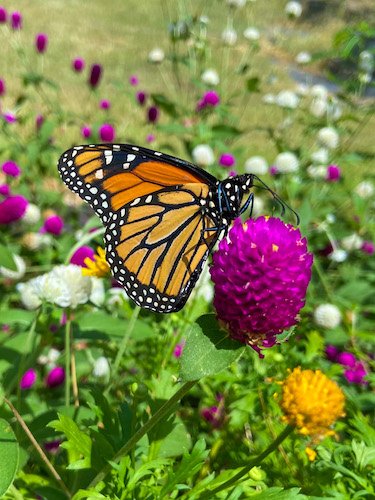
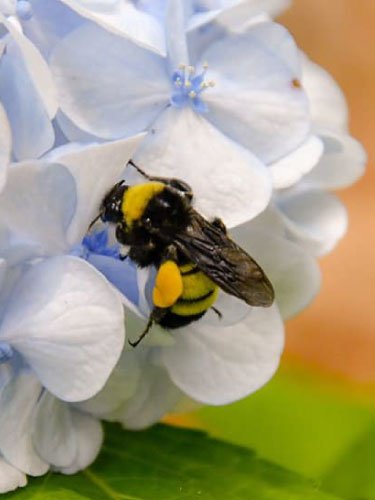
Beyond the display gardens, the property hosts community events tied to conservation and horticulture throughout the year, including pollinator counts and citizen-science projects that invite visitors to help catalog what is actually living among the plantings. Birders in particular have taken notice of the gardens as a stop worth including on a Wiregrass-area outing, since the mix of woodland edge and open garden draws a reasonable variety of species through the seasons. None of this requires special expertise to enjoy; a slow walk through the grounds on an ordinary Saturday morning is really the whole point.
For anyone building a full day around Dothan’s outdoor and cultural attractions, the gardens work well paired with a stop at the Wiregrass Museum of Art or the George Washington Carver Interpretive Museum downtown, giving a visitor a mix of nature and culture without much driving between stops. Because the gardens are membership-supported rather than tax-funded, admission dollars go directly back into maintaining the collections, which is worth keeping in mind for anyone who ends up visiting more than once and considering a membership of their own. Comfortable shoes and a bit of sun protection are the only real preparation needed before a visit, since most of the walking is on shaded, well-maintained paths.
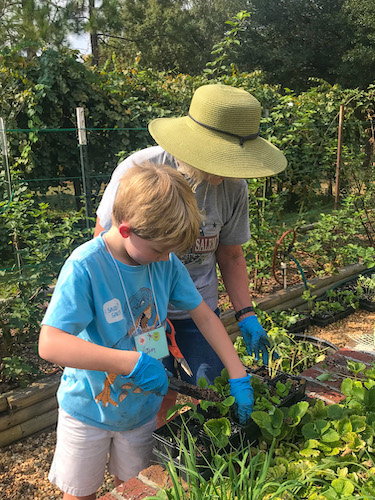
The gardens also lean on volunteers for much of their day-to-day upkeep, from weeding beds to leading school field trips, which gives the property a genuinely community-built feel rather than the polished, corporate landscaping of a larger botanical institution elsewhere in the state. Seasonal plant sales, workshops on native gardening, and holiday lighting events add reasons to return throughout the year rather than treating it as a single, one-time stop, and the relatively small scale of the property means a full visit rarely takes more than an hour or two, making it easy to fit into a broader day of exploring Dothan’s museums, restaurants, and downtown shops without eating up an entire afternoon.