
Attractions & Museums · Things to Do
The Legacy Museum
About
Montgomery carries the weight of American history in its street names and old rail lines, and few places make that history as immediate as the Legacy Museum. Located in a downtown building that once stood near a site where enslaved people were warehoused, the museum was built by the Equal Justice Initiative, a nonprofit legal and advocacy organization headquartered in the city. It is one of four connected Legacy Sites in Montgomery, alongside the National Memorial for Peace and Justice, the Freedom Monument Sculpture Park, and Montgomery Square.
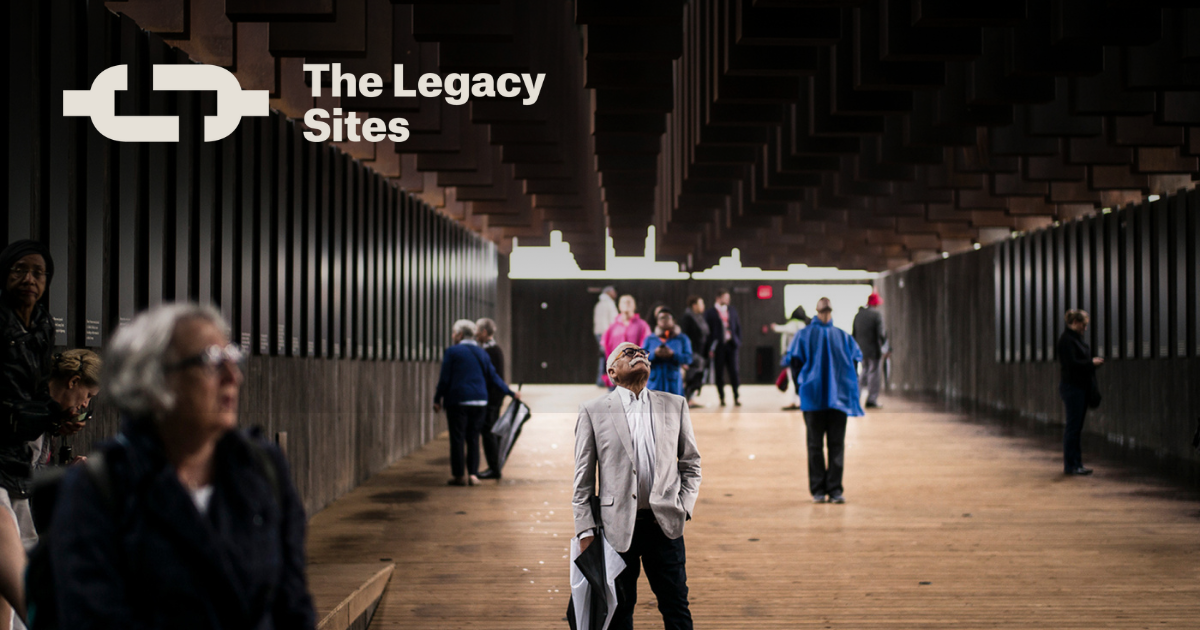
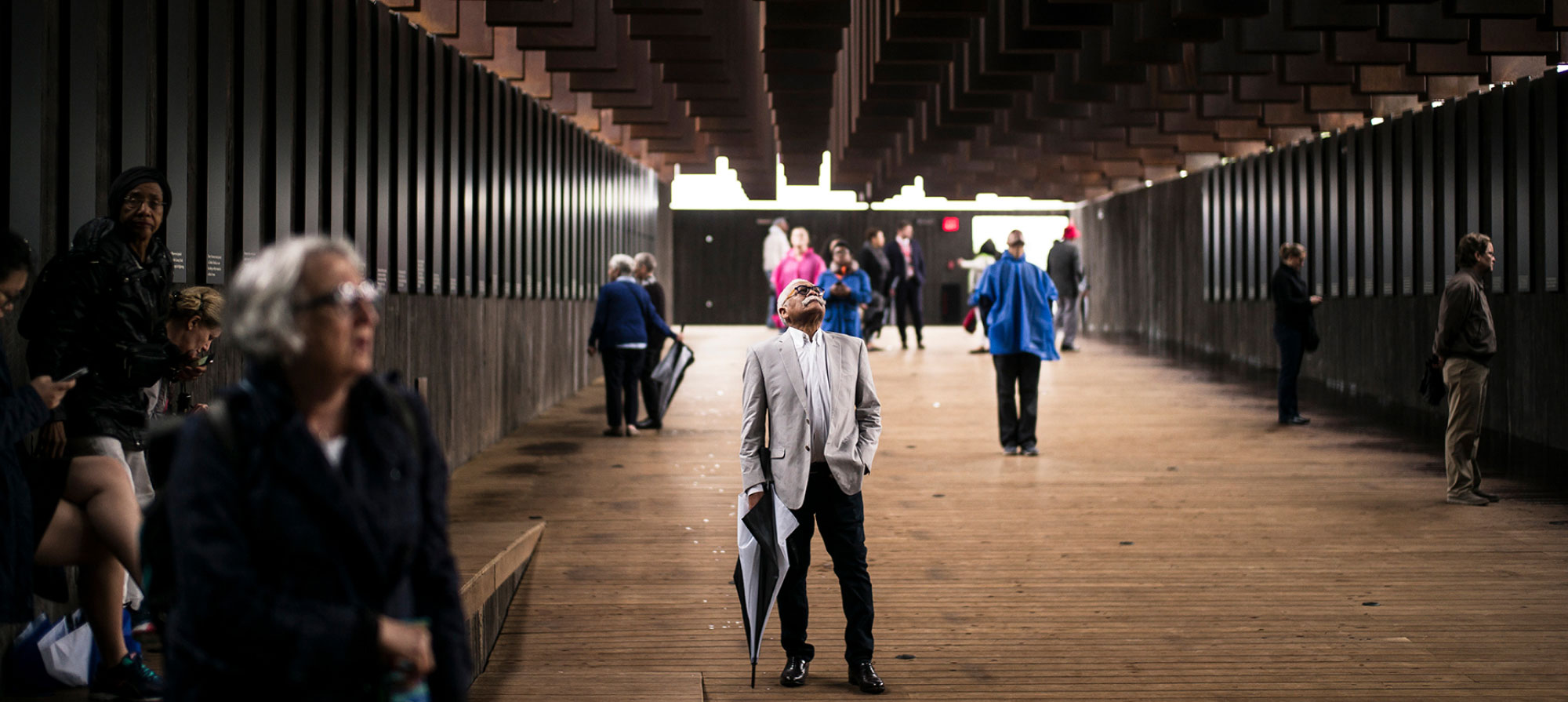
The museum traces a direct line from slavery through lynching, segregation, and mass incarceration, using first person narratives, archival documents, and immersive installations rather than static wall text alone. Interactive stations let visitors search records connected to specific enslaved people, while sculpture and soil collected from documented lynching sites anchor the experience in specific places and names rather than abstractions. The Washington Post and Miami Herald have both singled out the museum for how directly it asks visitors to sit with difficult material, and EJI designed the space with that intention: to move people from history toward reflection and, ideally, toward action in their own communities.
General admission is five dollars per person, a price EJI has kept deliberately low so cost is not a barrier to entry. A single ticket includes same day access to all four Legacy Sites, and group rates are available for parties of twenty five or more. The museum is open Wednesday through Monday from 9 a.m. to 6 p.m. and closed on Tuesdays, with reduced hours from November through February. It is closed on Thanksgiving, Christmas, and New Year’s Day. Because the museum draws visitors from across the country, arriving early or purchasing tickets online in advance is worth doing, particularly during school field trip season and around civil rights anniversary dates.
Montgomery’s role as both the cradle of the Confederacy and the birthplace of the modern civil rights movement gives the Legacy Museum a particular kind of gravity. Walking distance from the Alabama State Capitol and the church where Martin Luther King Jr. once preached, the museum sits at the intersection of those two histories rather than treating them as separate stories. Many visitors pair a museum visit with a stop at the National Memorial for Peace and Justice, EJI’s outdoor memorial to victims of racial terror lynching, since the two sites were designed to be experienced together and are only a short walk apart.
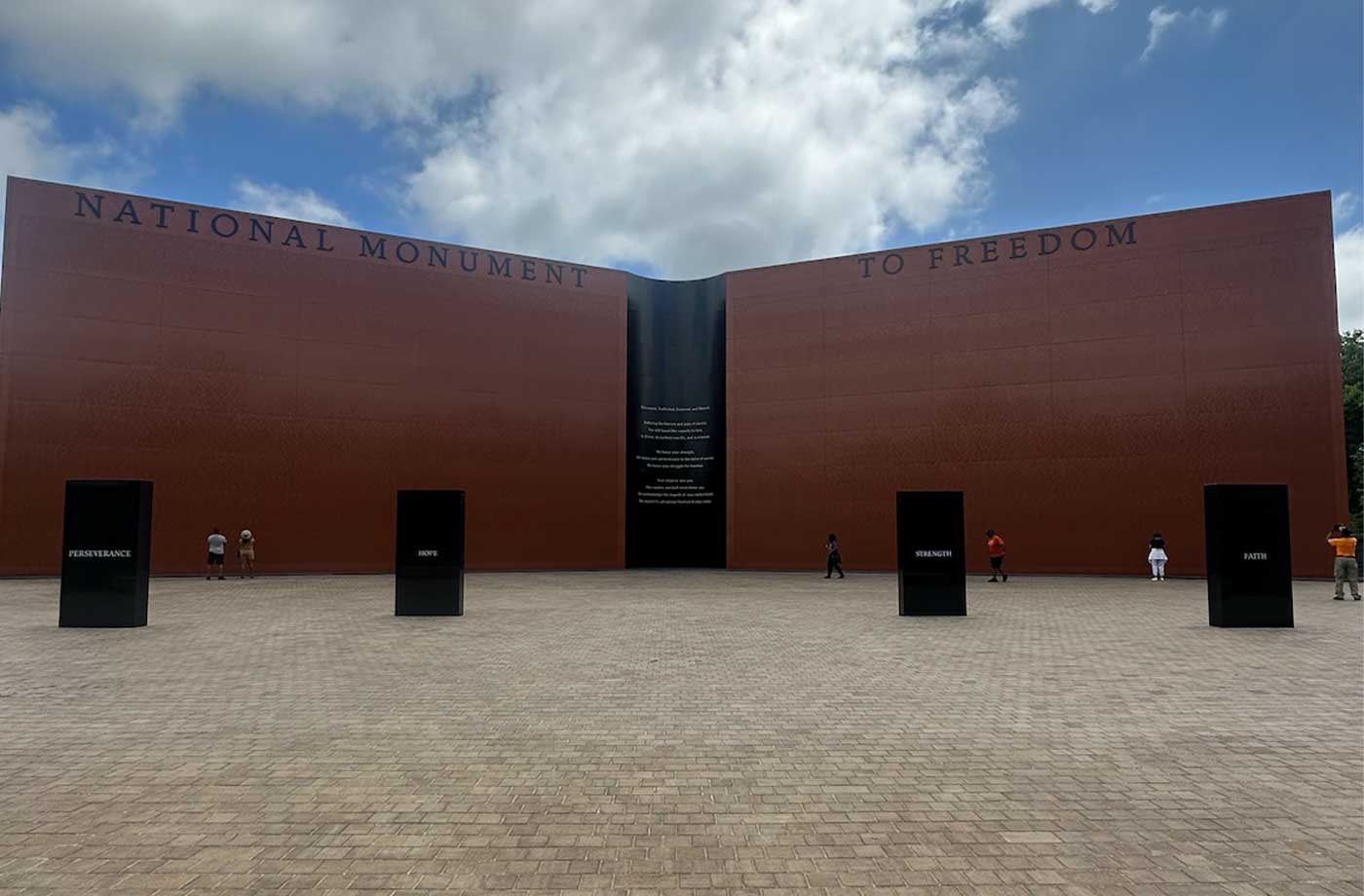
The Legacy Museum is not a large, static building frozen in a single era. EJI has continued to expand the Legacy Sites complex, most recently adding the Freedom Monument Sculpture Park along the Alabama River, which uses seventeen acres of green space to further explore the history and legacy of the transatlantic slave trade. That ongoing expansion reflects EJI’s approach to the museum as an evolving project rather than a finished monument, one that responds to new research and continues to add names, records, and perspectives.
Because the subject matter is heavy, EJI recommends allowing at least two to three hours to move through the museum without feeling rushed, and staff are available throughout to answer questions or provide context. The museum is not recommended for very young children given the content, though EJI provides guidance for families visiting with older kids and students. For travelers building a Montgomery itinerary around civil rights history, the Legacy Museum is generally considered the starting point, both because of its scope and because it sets context for the Rosa Parks Museum, the Dexter Avenue church, and other sites scattered through downtown.
Tickets, current hours, and group booking information are available directly through the Legacy Sites website, and EJI staff can be reached by phone for questions about accessibility or scheduling school and church group visits.


